
Debunking common myths about gambling What you need to know
Understanding the Nature of Gambling
Gambling is often viewed through a lens of misconceptions that can cloud judgment and inform public perception. At its core, gambling is a game of chance where outcomes are influenced by randomness rather than skill. Many believe that certain strategies or systems can guarantee a win, but this is largely a myth. While players can improve their chances in some games, the inherent nature of gambling means that no outcome is ever assured. For those looking to enjoy gambling responsibly, checking out the best non gamstop casinos can provide valuable options that prioritize player safety.

Additionally, the idea that gambling is a surefire way to achieve wealth is misleading. While stories of big wins are celebrated, they often overshadow the reality that many individuals lose money. Responsible gambling emphasizes understanding risks and playing within one’s means, steering clear of the belief that it can serve as a reliable income source.
The Role of Luck and Skill
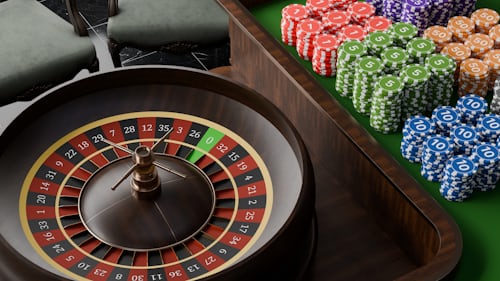
Another common myth is the conflation of luck and skill in gambling. Many games, such as poker, do indeed require a level of skill, strategy, and psychological insight, but chance still plays a significant role. For instance, in slot machines and roulette, the outcomes are entirely random, meaning that past results do not influence future ones. This leads to the misconception that players can predict outcomes based on previous plays.
This misunderstanding can lead to players overestimating their abilities or relying on flawed strategies. Recognizing the balance between luck and skill is crucial for a realistic approach to gambling, where understanding the odds can enhance enjoyment without encouraging reckless behavior.
The Influence of Gambling on Society
People often believe that gambling leads to widespread negative consequences for society. While it’s true that problematic gambling can cause issues for some individuals, it’s essential to recognize that many people enjoy gambling as a form of entertainment without adverse effects. The key lies in moderation and awareness. Countries that have embraced regulated gambling see both benefits and challenges, often focusing on responsible gaming initiatives to mitigate risks.
Moreover, gambling contributes economically through job creation and tax revenues, which can support public services. The debate should focus on finding a balance that promotes responsible gambling while reaping the benefits it can provide to society.
Celebrity Gamblers and Their Impact
Celebrity gamblers often highlight the glamorous side of gambling, leading to the myth that success is easily attainable. Stories of famous figures winning large sums can create unrealistic expectations for everyday players. These narratives often omit the losses and risks associated with high-stakes gambling.
While some celebrities do advocate for responsible gambling, the allure of their stories can still contribute to a culture that romanticizes gambling. Understanding that the odds are against winning consistently can help mitigate the impact of these narratives on aspiring gamblers.
Legal Services and Responsible Gambling
As an organization focused on providing legal and property services, it’s crucial to understand the implications of gambling laws and regulations. Many individuals may find themselves in legal dilemmas related to gambling, whether it’s understanding their rights or seeking guidance on responsible practices. Consulting with legal professionals can offer valuable insights into navigating these complex situations.
In the midst of connectivity issues, the commitment to client support remains strong. Whether seeking advice on gambling-related legal matters or other property concerns, clients are encouraged to explore reliable resources and return for assistance when the service is fully operational again.
